Why lighting mattes in photography
When starting photography, many focus on the camera, lenses, settings, and editing, but lighting shapes an image first. Learn how light behaves and your photos will improve.
The same dog, place, and camera can look totally different with different light. Light changes mood, depth, texture, color, emotion, and whether a subject looks soft or sharp. For me, light turns a snapshot into a more emotional, artistic photo.
Soft Light vs Harsh Light
One of the biggest things photographers learn is how different types of light affect an image.
Harsh Lighting
Harsh light typically occurs around midday when the sun is high. It produces strong shadows, bright highlights, and high contrast. For editorial or dramatic styles it can be striking, but with pets it presents challenges. White fur easily overexposes, black fur can lose detail, and dogs often squint in direct sun. Harsh light can also cast distracting shadows across faces and create uneven exposure.
That doesn’t make harsh light “bad”, it just requires different handling. Practical ways to adapt include:
Moving into shade, such as under a tree
Placing the subject with the sun behind them (backlighting)
Using trees, buildings, or reflectors to soften or block direct sun
Exposing carefully to protect highlights in-camera
Embracing contrast deliberately for a dramatic look
The photo below of Rhubarb shows why midday sun is tricky. Shot at 12 p.m. on a cloudless day, the light was very harsh. I adjusted camera settings and managed a few usable images, but many were affected by squinting or blown highlights. Even so, Rhubarb’s striking blue eyes still created a powerful, memorable portrait.
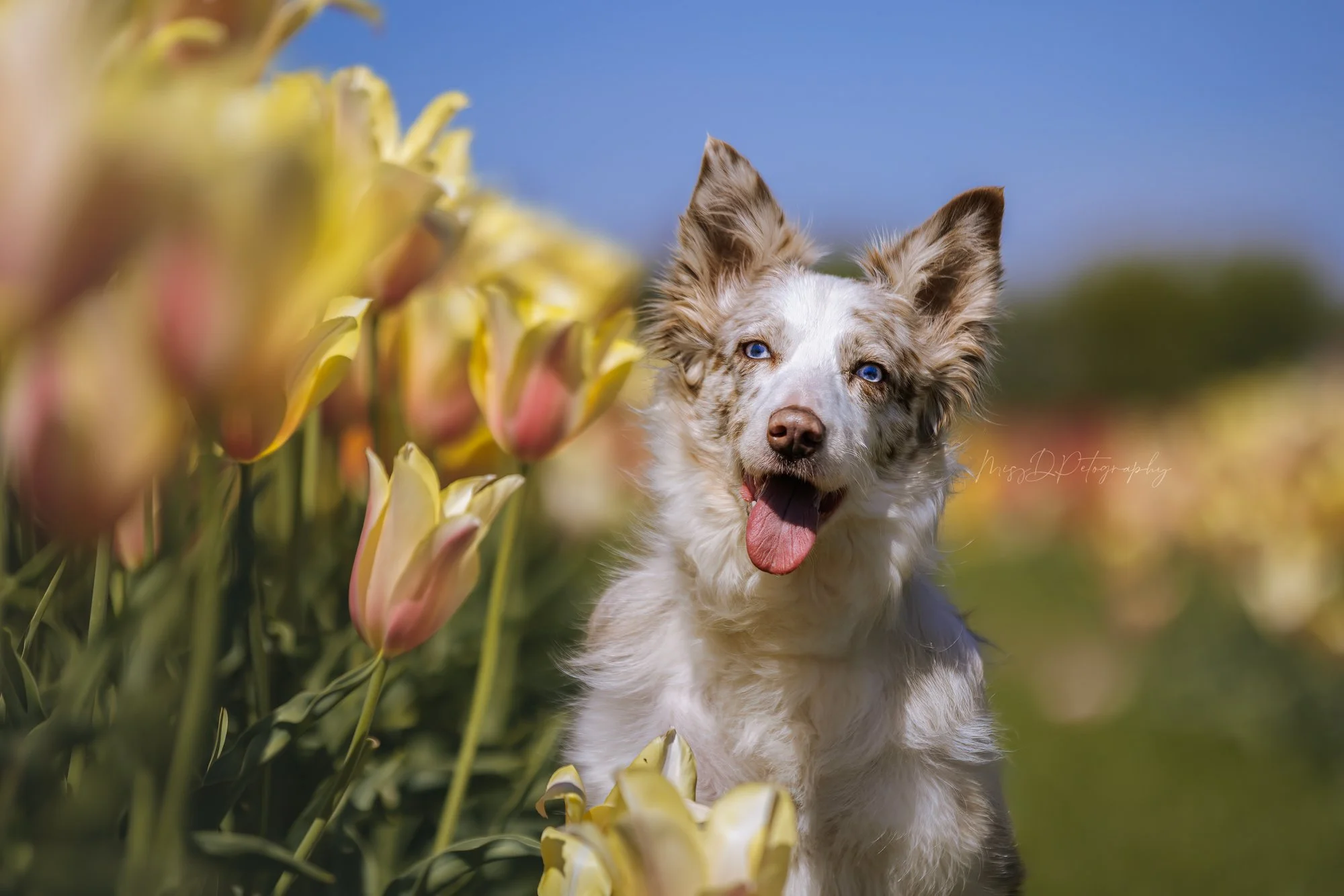
Rhubarb amongst the tulips on a harsh day
Why Shade Is Your Best Friend
Shade is one of the most underrated tools in photography. Open shade creates beautifully soft, even lighting that flatters both humans and animals. It removes harsh shadows and allows much more detail to be retained in fur, eyes, and skin tones. This is one reason many pet photographers choose woodland areas, archways, buildings, or tree cover during brighter parts of the day.
Soft shaded light helps create:
Creamier backgrounds especially with a wide aperture
Softer skin and fur tones
More visible eye details
A calmer, more natural mood
Better consistency while editing
Even on sunny days, I often actively search for shade first before taking a photograph. The photo shown here is during spring, although it was still 2pm, the shot was taken underneath trees, on a close zoom that there were no harsh lighting in the background, making editing very easy and smooth and able to create a beautiful contrast between the dogs and its surroundings.

Sheltie during shade in the spring amongst Bluebells
Golden Hour: Sunrise and Sunset
The most loved lighting in photography is usually during golden hour, shortly after sunrise or before sunset. At these times, the sun sits lower in the sky and produces warmer, softer light. Shadows become gentler, colours become richer, and images gain a dreamy atmosphere that is difficult to recreate artificially. Golden hour lighting is especially popular in pet photography because it:
Creates glowing fur tones
Produces beautiful background separation
Adds warmth and emotion
Reduces harsh contrast
Gives images a timeless feel
Sunrise sessions can feel peaceful and calm, especially with quiet locations and soft misty light. Sunset sessions often bring rich golden tones and dramatic skies, which can completely transform a simple location into something cinematic. Sometimes the location itself is not what makes a photograph magical, it is the light falling across it.
The image shown here is during sunrise in Wales, the sun was still rising behind the mountains allowing for a beautiful warm shot to be taken and the sky still bright enough to create enough lighting for the images to be taken on a fairly low ISO.
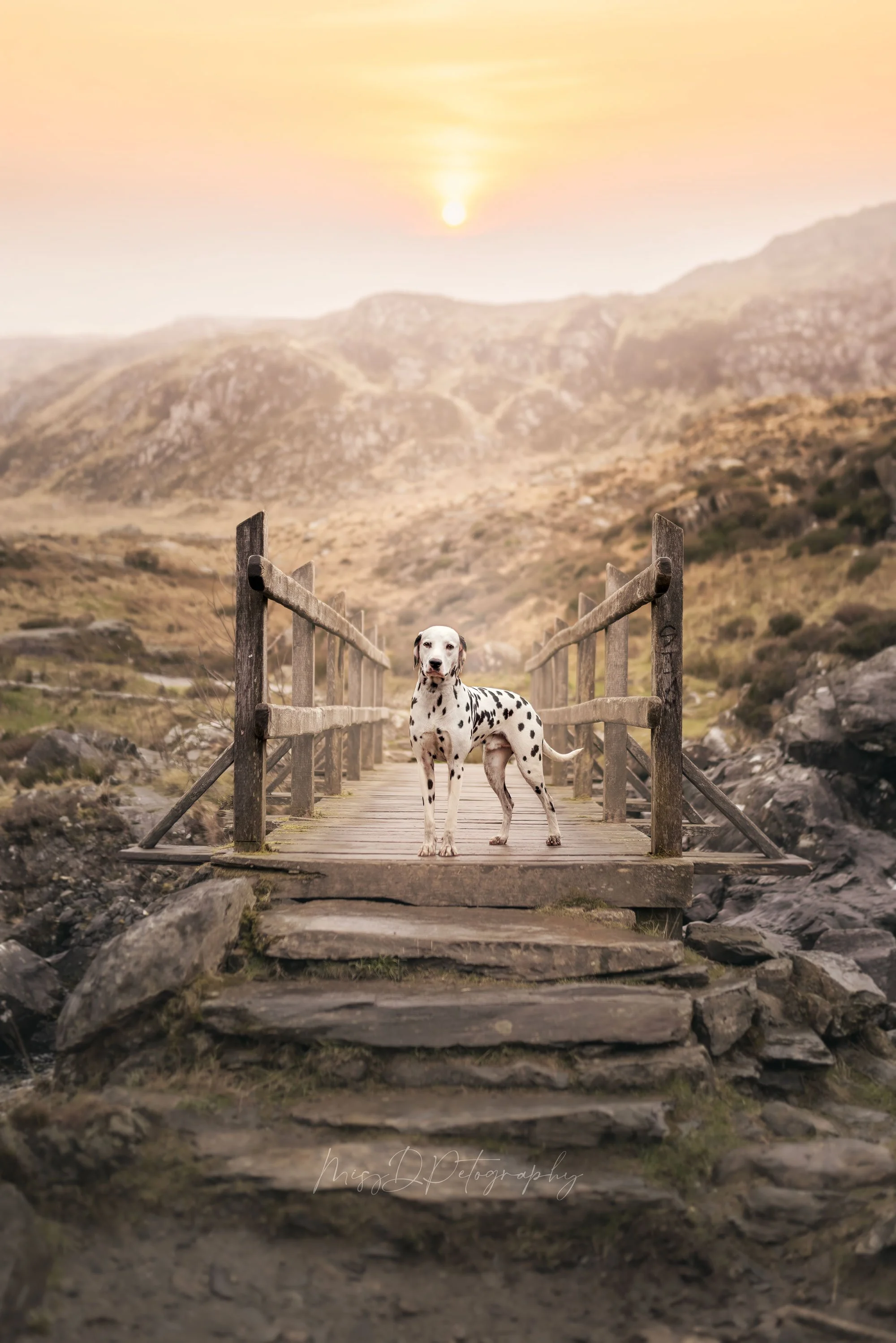
Artificial sun added during sunrise - Dalmatian being a super-model!
Overcast Weather Is Not “Bad” Weather
A common misconception is that sunny weather is always best for photography. In reality, cloudy or overcast conditions can create some of the most flattering light possible. Clouds act like a giant natural diffuser, softening sunlight evenly across the scene. Overcast light is fantastic for:
Detailed fur textures
Black dogs
Bright white dogs
Close-up portraits
Consistent exposures
Some of my favourite images have actually been taken on grey, cloudy days.
Learning to See Light
One of the biggest changes in photography happens when you stop simply looking at your subject and start observing the light around them. Photographers begin asking questions like:
Where is the light coming from?
Is it soft or harsh?
What colour is it?
How is it hitting the subject?
What mood does it create?
Once you begin noticing light properly, you start seeing photography differently everywhere you go.
Final Thoughts
A good camera helps, but understanding light is what truly elevates photography. Lighting controls mood, atmosphere, emotion, texture, and storytelling. It can turn an ordinary location into something magical, or completely change how a subject feels within an image. You do not always need perfect weather or expensive equipment to create beautiful photographs. Sometimes all you need is patience, observation, and the ability to work with the light you are given. The more you learn to understand light, the more intentional and meaningful your photography becomes.
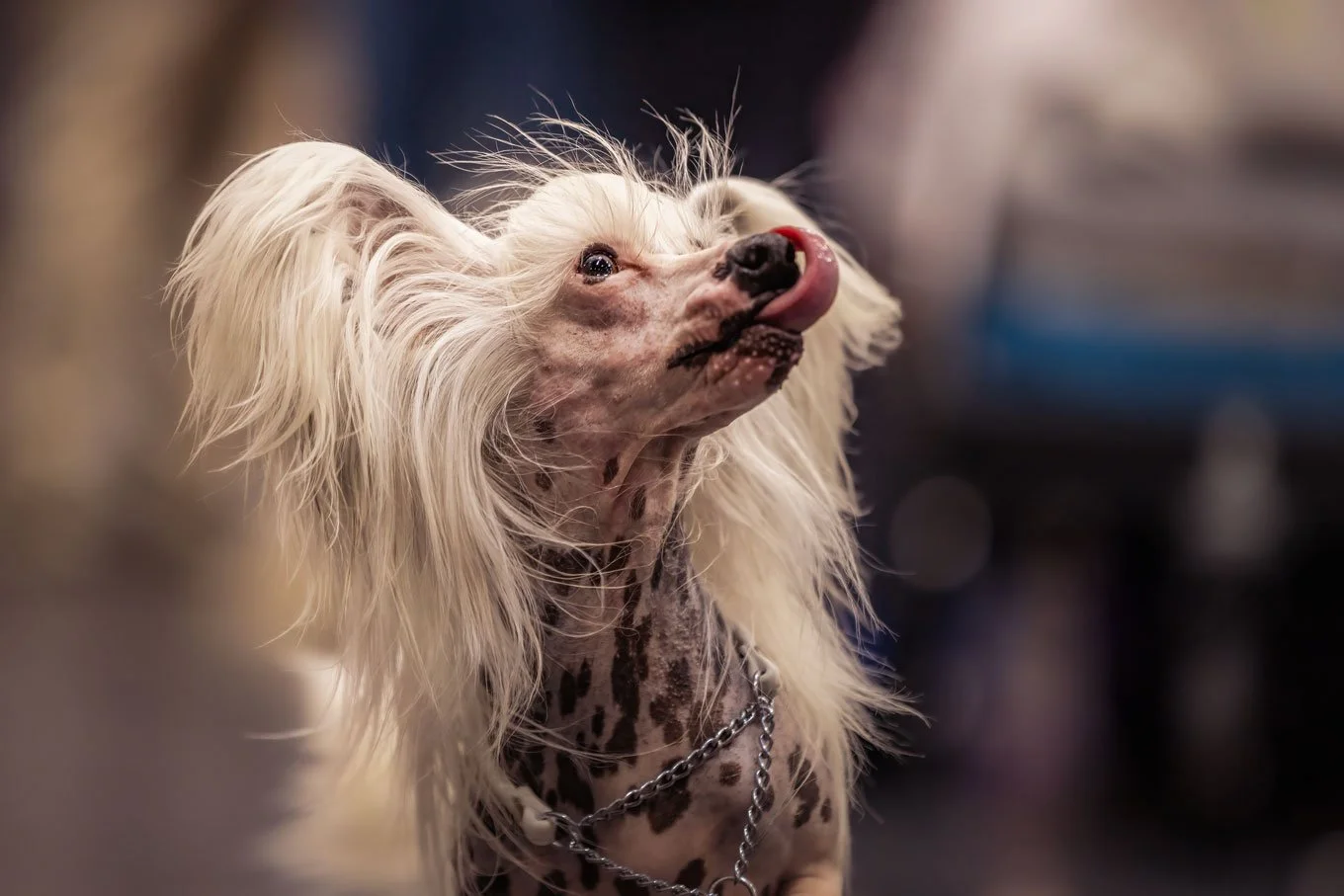
Taken at Crufts 2026, indoor lighting